Japanese Font for Web Design
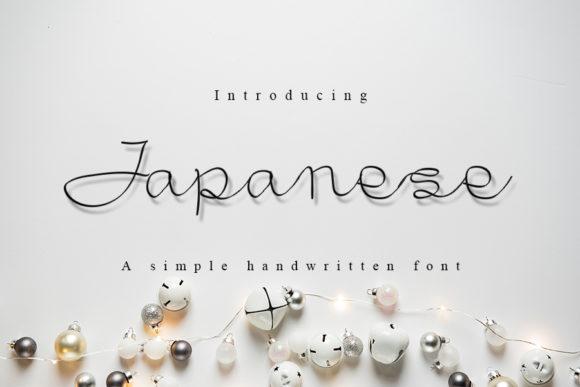
Japanese is a delicate and thin script font that brings a romantic and elegant feel to digital design. As a web designer, I appreciate how this script font can enhance visual storytelling while maintaining readability across various platforms. Its versatility makes it ideal for headers, logos, and decorative elements in web projects.
When used in web design, Japanese adds a touch of sophistication without overwhelming the layout. It works well in hero sections, call-to-action buttons, and landing page titles where a personal, handwritten feel is desired. The font’s fine lines and flowing curves make it perfect for creative portfolios, boutique online stores, and coaching websites looking to convey warmth and authenticity.
Japanese in Digital Branding
For digital product creators and UI designers, Japanese offers a unique way to express brand tone. Its soft, flowing style conveys approachability and creativity, making it an excellent choice for brands targeting a modern, artistic audience. Whether you're designing a social media graphic or a branded web banner, Japanese can help establish a consistent visual identity.
In branding, Japanese can be used as a logo font or as a supporting typeface for headings and subheadings. Pairing it with a clean sans serif or serif font helps balance its ornate style with readability. This font pairing strategy ensures that your design remains professional while still standing out.
Readability and Responsive Design
While Japanese is a script font, it maintains good legibility on mobile screens when used appropriately. For small text sizes, such as in buttons or navigation menus, it's best to keep the font limited to short phrases or decorative accents. On larger screens, it shines as a headline or section title, drawing attention without sacrificing clarity.
When using Japanese on dark backgrounds or image overlays, ensure there is enough contrast to maintain readability. Lighter weights or alternate glyphs may help improve visibility in these scenarios. Always test the font at different screen sizes and resolutions to confirm it performs well in responsive layouts.
Practical Applications of Japanese
Japanese excels in creative contexts like portfolio sites, course sales pages, and blog headers. Its aesthetic aligns well with editorial design, allowing you to create visually engaging content that feels personal and authentic. For example, a digital course platform might use Japanese for its main title, paired with a simple sans serif for body text to ensure easy reading.
Online store owners can use Japanese for banners, product titles, and promotional graphics. Its romantic feel complements lifestyle brands, artisanal products, and luxury items. When designing an e-commerce site, consider using Japanese for key selling points or special offers to add a refined touch.
Font Pairing and Style Options
Japanese pairs well with both serif and sans serif fonts depending on the design goal. A modern sans serif like Roboto or Open Sans can provide a clean, professional contrast to Japanese’s fluidity. Alternatively, a classic serif font like Georgia or Playfair Display can create an editorial or vintage vibe when combined with Japanese.
Check the available styles and file formats when using Japanese in web projects. Ensure that webfont versions are included for seamless integration into CSS. If the font includes alternates or ligatures, use them to add subtle variation and prevent repetition in design elements.
Commercial Licensing and Usage
When using Japanese for commercial projects, verify the licensing terms to ensure compliance. Most premium fonts allow use on websites, client projects, and digital templates, but specific restrictions may apply. Always review the license agreement before incorporating Japanese into your design assets or brand materials.
As a web designer, I recommend selecting a font that not only looks good but also functions well across different platforms. Japanese meets both criteria, offering a stylish yet practical solution for digital typography. Whether you're working on a SaaS landing page, a blog header, or a creative portfolio, this script font can elevate your design with its timeless charm.