Baby Whale Font: Elegant Script for Web Design
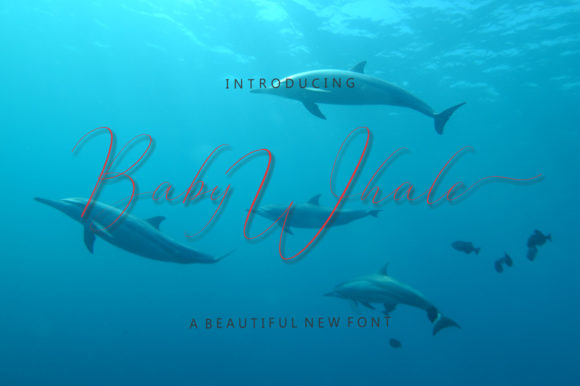
Baby Whale is a sweet and delicate handwritten font that brings a personal, artistic touch to digital design. Its cursive style makes it ideal for headers, logos, and decorative elements where a humanized feel is needed. As a Script Amp font, Baby Whale offers a modern twist on traditional script typography, making it a versatile choice for web designers looking to add character to their projects.
Designed with digital usability in mind, Baby Whale maintains clarity even at smaller sizes, ensuring readability across different screen sizes and resolutions. This makes it particularly useful for UI elements like buttons, icons, and call-to-action sections where visual appeal meets functional design.
Using Baby Whale in Web Design
Web designers often rely on fonts that can create visual hierarchy without sacrificing legibility. Baby Whale excels in this area, especially when used as a display font for hero sections, landing pages, and brand-focused content. Its flowing lines and soft curves help draw attention while maintaining a sense of elegance and sophistication.
For example, a creative portfolio site might use Baby Whale in the header to introduce the designer’s name or a key project title. Similarly, an online boutique could apply it to banners or product headings to create a more personalized shopping experience. The font’s subtle details make it perfect for branding elements that need to stand out but remain easy on the eyes.
Brand Tone and Visual Hierarchy
The personality of Baby Whale aligns well with brands that want to convey warmth, creativity, or a handmade aesthetic. It works best in contexts where the tone is friendly, expressive, or artistic. When used appropriately, it can enhance the emotional connection between the user and the brand, contributing to a more memorable online presence.
In terms of visual hierarchy, Baby Whale is most effective when used for short phrases or key headlines rather than long blocks of text. Its ornate style may become distracting if overused, so it’s best paired with simpler typefaces for body copy or supporting content. This contrast helps guide the viewer’s eye through the layout while keeping the overall design cohesive.
Readability and Responsive Design
When designing for mobile screens, it’s important to consider how Baby Whale performs at smaller sizes. While it remains readable, designers should avoid using it for lengthy paragraphs or dense text blocks. Instead, use it for titles, labels, or accent text that appears alongside more structured typography.
On dark backgrounds or image overlays, Baby Whale can still hold its own, provided there is sufficient contrast. For light backgrounds, the font’s natural flow ensures it doesn’t get lost in the space. Testing it in different contexts is always recommended to ensure optimal visibility and user experience.
Font Pairing and Digital Identity
Pairing Baby Whale with other fonts can elevate the overall design while maintaining balance. A common approach is to pair it with a clean sans serif for body text, allowing the script font to shine as a focal point. This combination works well for blogs, course pages, and SaaS landing pages where clarity and style are both important.
For editorial designs or more formal brand identities, pairing Baby Whale with a serif font can add depth and sophistication. This creates a layered look that feels both modern and timeless. The key is to maintain a clear visual distinction between the decorative and functional elements of the design.
Practical Applications for Digital Creators
Baby Whale is ideal for a wide range of digital projects. Coaches and educators might use it for course sales pages or blog headers to add a personal touch. Online stores can incorporate it into banners or product titles to create a more inviting shopping environment. For creative entrepreneurs, it’s a valuable tool in building a consistent brand identity across websites, social media graphics, and marketing materials.
As a premium font, Baby Whale comes with multiple styles and weights, offering flexibility for different design needs. Its PUA encoding allows for easy access to all characters, making it suitable for multilingual content or custom typography work. Designers should check the available file formats and webfont options to ensure compatibility with their workflow.
Commercial Licensing and Usage
When using Baby Whale in client projects, online stores, or digital templates, it’s important to verify the commercial licensing terms. Most fonts allow for use in web design, but specific restrictions may apply depending on the license type. Always review the font’s usage rights to avoid legal issues and ensure compliance with design standards.
For designers working on brand assets or template libraries, Baby Whale provides a unique and stylish option that can be customized to fit different visual themes. Its adaptability makes it a valuable addition to any design toolkit, especially for those focused on creating visually engaging and emotionally resonant digital experiences.
Whether you’re designing a personal website, a product landing page, or a digital brand kit, Baby Whale offers a fresh and elegant way to express your creative vision. Its blend of style and functionality makes it a go-to choice for web designers who want to add a touch of personality to their layouts without compromising on usability.